Nullam dignissim, ante scelerisque the is euismod fermentum odio sem semper the is erat, a feugiat leo urna eget eros. Duis Aenean a imperdiet risus.
Nullam dignissim, ante scelerisque the is euismod fermentum odio sem semper the is erat, a feugiat leo urna eget eros. Duis Aenean a imperdiet risus.
 author
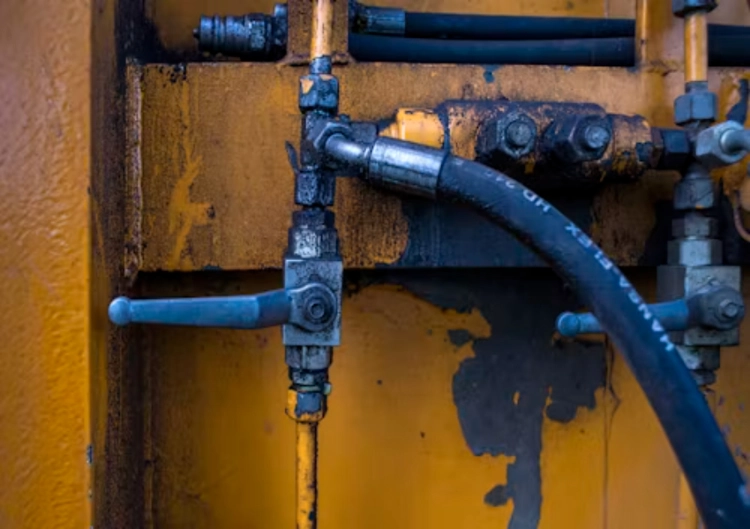
Hydraulic oil contamination rarely destroys a component in a single moment. More often, a small amount of dirt, water, air, or wear metal enters the circuit and keeps moving. The pump starts losing efficiency. A spool begins to drag. A motor develops internal leakage. By the time the operator notices slow movements or a hot oil tank, several parts may already be involved. That is why contamination should be treated as a system problem, not just an oil-change problem.
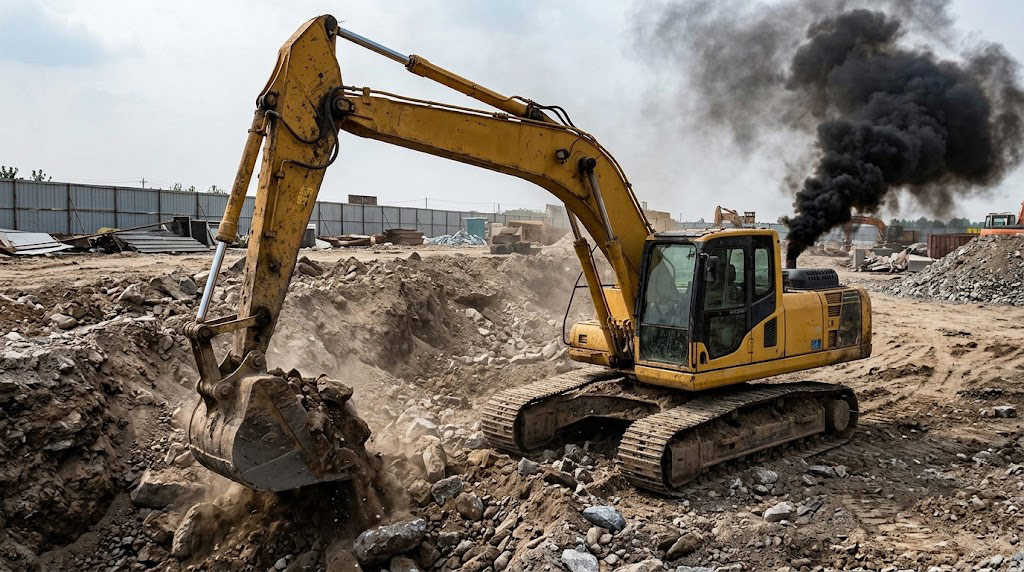
The hydraulic system of a hydraulic excavator contains the same working fluid, which is moved by the pumps through the control valves to the cylinders, travel motors, and swing motors; through the hoses to the various components; and back to the tank. Any foreign particles entering the system through a damaged seal, an open filler area, dirty service tools, or an unprotected replacement line will travel to the next close clearance component and can cause damage. The first part to be damaged can be the pump, and the subsequent failure can occur in a control valve or motor, for example, after the initial part has been repaired.
This chain is especially costly in proportional and pilot-controlled circuits. Fine clearances rely on clean oil for lubrication and controlled movement. Hard particles can score a valve plate or piston shoe; softer sludge can restrict a small passage; water can reduce lubricating performance and promote corrosion. Once hydraulic oil contamination has entered a shared circuit, the first damaged part may not be the one that shows the clearest symptom. Intermittent sticking, inconsistent response, and loss of power under load are often earlier warnings.
Sand, machining residue, rust, paint flakes, and wear debris act as an abrasive stream. In a piston pump, this can damage the cylinder block, valve plate, pistons, or slipper surfaces. In a gear pump, particles can mark gear faces and housing surfaces, increasing internal bypass. The pump may still turn, but its delivered flow falls as leakage rises. That is a typical path to hydraulic pump contamination failure.
Water can enter through condensation, damaged breathers, poor storage, or an exposed service opening. It may cloud the oil, encourage rust, and weaken lubrication at heavily loaded surfaces. Air is different: it can enter through a loose suction connection, a cracked hose, low tank level, or a restricted inlet. Foaming, a noisy pump, and unstable actuator movement can follow. When particles, water, and air appear together, the damage rate usually rises because lubrication and control quality are both compromised.
Change in normal operation – hose failure, new part, repaired seal, past neglect. Contaminated Hydraulic Oil Symptoms: Abnormal pump whine or pump rattling, milky or darker than normal oil, Visible particulates in a clean sample container, Sticky or hard valve action, increased cycle time, increased heat. These contaminated hydraulic oil symptoms are more believable arriving in concert than as single, isolated events.
No single symptom proves contamination. A noisy pump may also have an inlet restriction or aeration. Slow functions may come from pump adjustment, a relief valve, a control spool, or a mechanical load. The practical question is whether several signs appeared together and whether the oil sample, filter element, suction side, and component history support the same conclusion.
Take a representative sample from a live, well-mixed circuit using a clean container and clean sampling equipment. Compare color, odor, foam, and visible sediment with a known-good sample. Inspect the return filter and magnetic drain plug if fitted. A cut-open filter can reveal whether the system is producing fresh wear debris. Laboratory particle counting and water testing are stronger evidence than appearance alone, but the test method and acceptance limit must match the machine maker’s service requirements.

Inspect the very basic parts first: Oil level, correct oil specification, correct breather air setting, no damage to the suction hose and correct filter part number. Are there any collapsed suction hoses, any loose clamps or damaged seals? Has the tank been opened in a dirty environment recently? Is the problem happening when the engine is cold, when it is hot, or only when running in combination? Heat-dependent loss of speed often points toward rising internal leakage, while a problem that starts immediately after service raises concern about installation cleanliness or trapped air.
Next, isolate the circuit. Record pump outlet pressure and flow only with the correct test equipment and the machine-specific procedure. Check standby or pilot behavior where applicable, then compare a weak function with a function that still performs normally. Inspect the main control valve for spool drag or restricted passages, and check the motor case drain for abnormal leakage using the equipment maker’s limits. Avoid turning an adjustment screw simply to make a pressure gauge look better. A higher setting can hide the original fault and accelerate damage.
If a pump is replaced after contamination, flushing and component inspection matter as much as the new assembly. Installing a clean pump into an unclean tank, hose, valve block, or cooler can shorten its service life immediately. The same caution applies to motors and replacement valves. A clean replacement part cannot remove debris that is still circulating elsewhere in the circuit.
Good hydraulic system cleanliness is built into daily work. Keep unused ports capped. Wipe fittings before opening them. Store oil in sealed, labeled containers. Use clean transfer equipment rather than a funnel that has handled diesel or shop chemicals. Replace filters with the specified element and investigate a rapidly blocked filter instead of repeatedly fitting another one. This routine is the practical side of excavator hydraulic oil maintenance after a hose or pump has failed. The same hydraulic system cleanliness standard should apply to every hose, fitting, and replacement assembly. After a major failure, clean the tank, inspect hoses and the cooler, and decide whether flushing is required before commissioning.
Source matters. YIKAN KOMSU supplies excavator hydraulic pumps, control valves, and motors for applications that include PC200, PC220, PC400, and other construction machinery. Buyers can start with a hydraulic pump and then match the component to the machine instead of guessing from an external appearance. For a PC200-7 or PC220-7 requirement, 708-2L-06610 hydraulic pump offers a model-specific reference point. Other models include WA250, PC650-8, A10VD17, PW95R-2, PW180-7, D61PX-15, PC160-10, D155~D275, and PC360LC-11.
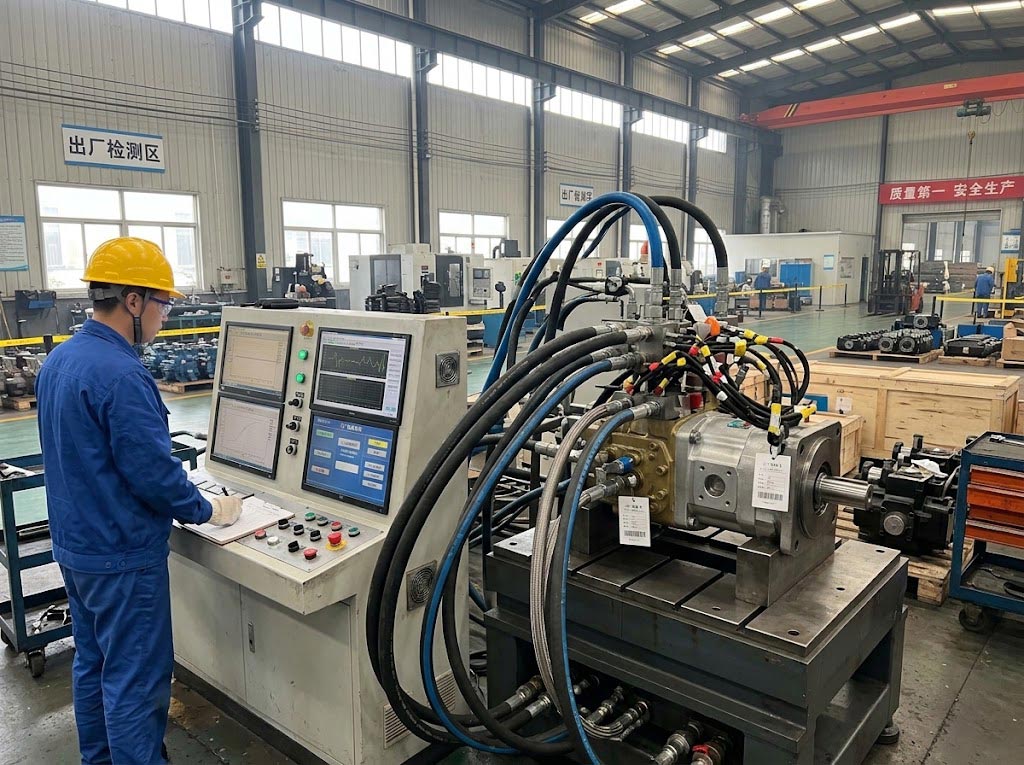
For contamination-sensitive repairs, ask the supplier how the component is inspected, protected, and packed before dispatch. The manufacturing process includes incoming material checks, CMM measurement after CNC machining, cleanliness control during assembly, and functional or durability testing. Batch pressure-test sampling and a six-month warranty for non-human-factor performance failures add useful checkpoints for a repair shop comparing suppliers. These details do not replace machine-side diagnosis, but they make the purchase decision less dependent on a catalogue photo.
Valve contamination deserves separate attention because a new pump may expose a weak valve immediately. Review the main control valve when the symptoms involve several actuators, spool sticking, or unstable combined movements. For a PC200-6 or PC120-6 application, the 708-1L-04720 hydraulic pump is a model-specific example; compatibility still needs confirmation against the machine serial number and removed part number. When the fault is isolated to travel, swing, or another motor circuit, compare the case-drain and mechanical checks before selecting hydraulic motors for excavators.
Oil replacement alone is rarely a complete remedy after a major pump failure. If metal has circulated through the circuit, the tank, filters, valve passages, cooler, and motor case may all need inspection. A hydraulic pump contamination failure can leave evidence beyond the pump housing. A replacement pump should be considered only after the contamination source is identified and the remaining circuit is clean enough for commissioning. Otherwise, the new component becomes the next source of downtime.
RFQ: Include make and model number and serial number of affected machine. Part Number of removed item, Pictures of ports and face of mounting surface. Results of oil and filter samples, Historical failure information for affected circuit, has the circuit been flushed? Maintenance records for excavator hydraulic oil for affected machines can assist the supplier in establishing if the problem is isolated to a single component or a system-wide issue. What is the exact compatibility range? What is the scope of inspection? How will the component be packaged for shipment? What is the warranty on the part? What type of support or service can a buyer expect after a component is installed? YIKAN KOMSU can be discussed with sales staff for a small trial order, a replacement part, or other more challenging hydraulic maintenance issues. YIKAN KOMSU manufactures China-made replacement parts for Komatsu machinery, providing alternatives to original Komatsu components. If you would like to learn more, please read this article.
Q1: Can dirty oil damage a new hydraulic pump?
A1: Yes. If debris or water remains in the tank, hoses, valves, cooler, or filters, it can reach the replacement pump and cause early wear. The circuit should be inspected and cleaned before the new pump is commissioned.
Q2: Are dark or milky oil symptoms enough to condemn a pump?
A2: No. They are warning signs, not a final diagnosis. Confirm the oil condition with a representative sample, filter inspection, suction-side checks, and machine-specific pressure or flow tests.
Q3: What should a buyer send when requesting a contamination-related replacement?
A3: Provide the machine model and serial number, part number, failure symptoms, photos, oil and filter observations, and details of any flushing or earlier repair. This gives the supplier a workable basis for checking fitment and support.