Nullam dignissim, ante scelerisque the is euismod fermentum odio sem semper the is erat, a feugiat leo urna eget eros. Duis Aenean a imperdiet risus.
Nullam dignissim, ante scelerisque the is euismod fermentum odio sem semper the is erat, a feugiat leo urna eget eros. Duis Aenean a imperdiet risus.
 author
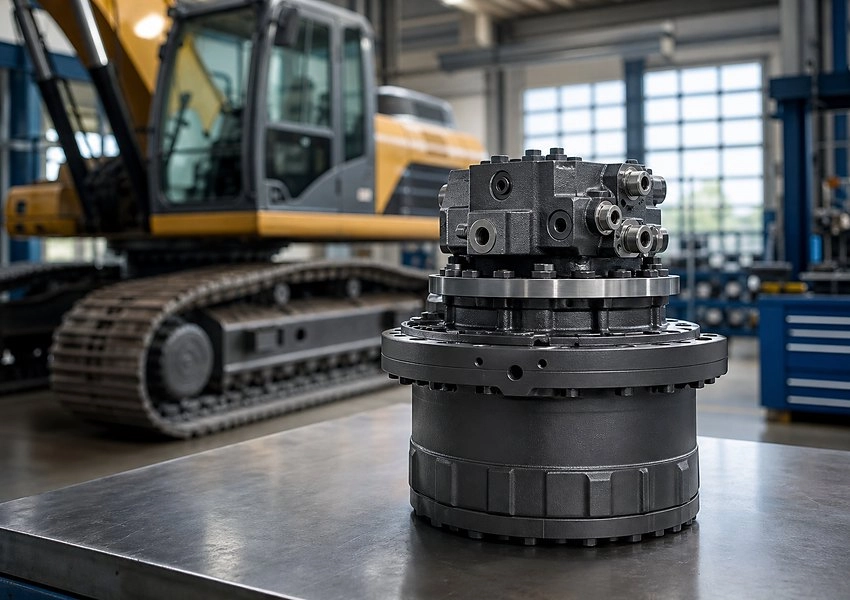
A replacement hydraulic motor is often sourced when a machine is already slow, hot, leaking, or unable to climb under load. Urgent orders invite mistakes. Two units can look almost identical on a quotation and behave very differently once installed. Displacement may be wrong, the drain may not suit the circuit, or the brake and gearbox interface may not match.
The useful question is not simply whether a hydraulic motor will fit. It must produce the required torque and speed, tolerate the duty, and connect without modification. This guide explains the hydraulic motor working principle in practical terms, then shows what matters when comparing products and hydraulic motor manufacturers.
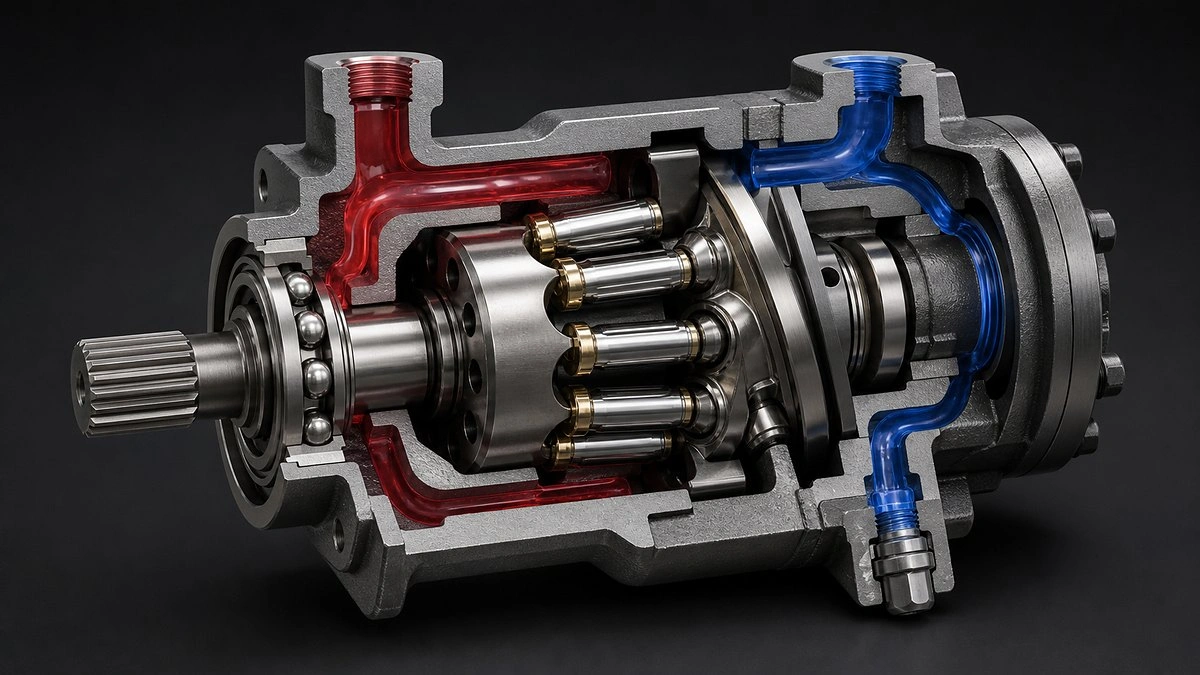
Oil flow does not create useful rotation by itself. The motor must direct that flow through working chambers, build force against an internal surface, and transfer the resulting turning force to the output shaft. The hydraulic motor working principle connects pressure, flow, and displacement, which is why one headline rating rarely tells the whole story.
Inside a hydraulic motor, pressurized oil acts on gears, vanes, pistons, or an orbital gear set. Internal geometry converts that force into torque; return oil then leaves the motor, while leakage passes through the housing or a case drain. The result depends on how pressure, flow, and displacement meet at the working point.
Pressure difference mainly determines available torque. Flow mainly affects shaft speed. Displacement connects the two: a larger-displacement hydraulic motor normally develops more torque at a given pressure, though it also needs more oil to reach the same speed. A smaller motor can run faster on the same flow but may not start a heavy load cleanly.
Catalog figures are theoretical until efficiency is considered. Leakage lowers actual speed, while friction reduces usable torque, and the gap grows as parts wear or oil becomes too thin. Ask for performance data near the planned operating point. A motor rated for maximum pressure and maximum speed may still be unable to sustain both at once.
The motor never works alone. The hydraulic motor working principle may be sound, yet relief settings, valve losses, return pressure, temperature, filtration, and drain routing still affect performance. A restricted case drain can raise housing pressure and damage the shaft seal even when the hydraulic motor is correctly sized. Dirty oil can score precision surfaces, creating heat and weak output that looks like a selection problem.
Duty also matters. A conveyor that runs steadily for hours creates a different heat load from a travel drive that starts, stops, reverses, and absorbs shock. Starting torque deserves special attention because a motor that turns a free shaft may stall once the machine meets real resistance. For reversing service, the circuit must control overrunning loads and pressure spikes in both directions.
Before blaming a replacement hydraulic motor, check inlet pressure, return pressure, case-drain flow, oil condition, and actual motor flow. These readings often show whether the fault is inside the component or elsewhere in the system. They tell a supplier far more than a note saying the machine is weak.
Motor type is only one part of the choice. Gear, vane, orbital, and piston designs cover different combinations of speed, torque, pressure, efficiency, and cost. Practical hydraulic motor selection begins with the work, then moves to the dimensions and connections.
Start with required shaft torque and speed, then find the pressure and flow needed to reach them. Check continuous values before intermittent peaks. Frequent starts, steep grades, shock loads, oil viscosity, and expected temperature belong on the RFQ; a machine model cannot describe that duty.
Physical details come next: flange, pilot diameter, bolt pattern, shaft or spline, port threads, rotation, drain location, and available space. Photographs help, but dimensions and the original part number carry more weight. For a travel device, brake release pressure and the reduction gearbox interface belong in the same review.
The 21N-60-34100 travel motor for PC1250-7 excavator shows why an excavator travel motor needs a careful match. Even with the right excavator model, the installed part number, serial range, hose layout, brake connections, and quoted scope still need confirmation. Heavy mining duty leaves little room for guesswork.
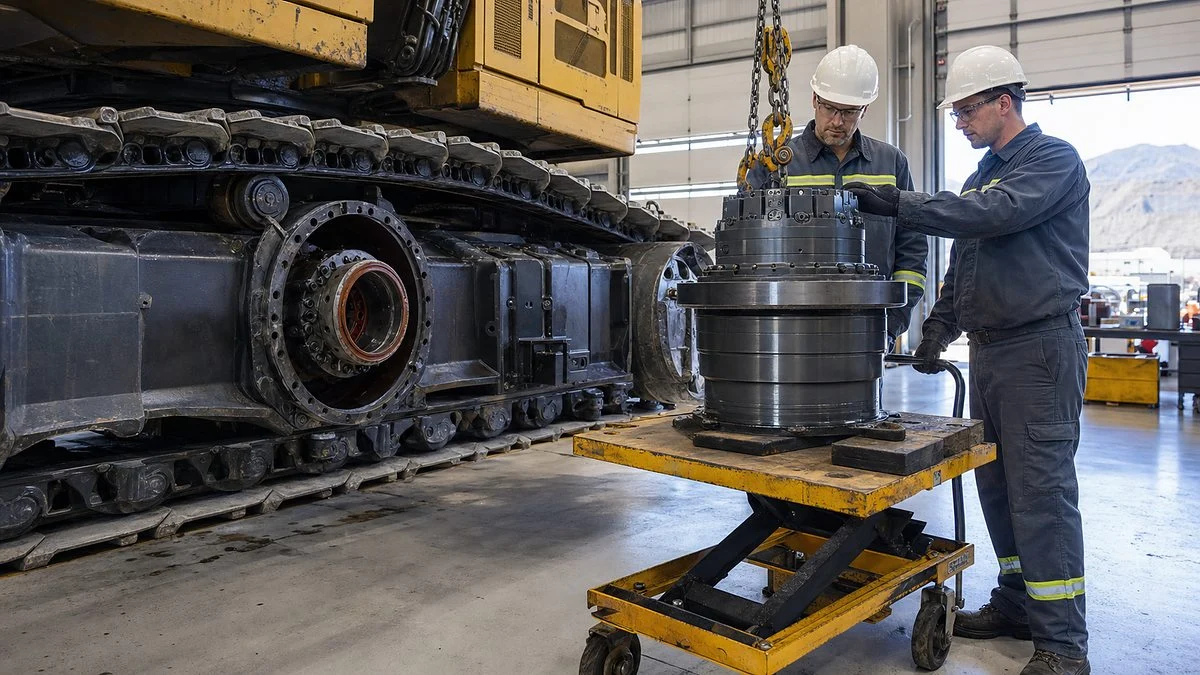
The 99481640 travel motor for PC3000-6 excavator is another excavator travel motor that needs checking against the existing unit and machine data. Tagging photos, several assembly views, and key dimensions may add ten minutes to an inquiry; returning a large mismatched component can cost weeks.
Price matters, although a low figure can hide an incomplete scope. Some quotations refer only to the hydraulic motor. Others include the brake, valve block, or final drive motor assembly. Unless the boundary is written down, two offers may not be comparable.
Reliable hydraulic motor manufacturers ask questions before confirming fitment. They want the original part number, machine serial number, application, operating pressure, flow, and photographs. That can feel slower than an instant quote, but it usually prevents the slowest outcome of all: a motor that arrives and cannot be installed.
Commercial details need the same attention. Look for clear warranty terms, inspection records, packing methods, lead times, and a practical route for handling discrepancies. Ask what was checked and which assumptions remain. Suitability should be supported in the quotation, not based on appearance alone.
A simple test reveals the quality of technical support: describe the symptom without naming a failed component. A capable supplier will ask about direction, case-drain flow, brake release, and temperature. That conversation can be more useful than a long product list.
At YIKAN KOMSU, we supply hydraulic components for heavy equipment buyers who need clear fitment checks and direct answers, not vague catalog matches. Our work covers travel motor inquiries, replacement hydraulic motor projects, and related parts for demanding excavator service.
Each inquiry is treated as an application check. Part numbers are compared with machine information, while photographs and dimensions catch differences a model name may miss. Concerns are discussed before the order moves forward, especially on large excavators where freight, handling, and downtime quickly become expensive.
Documentation, packing, lead time, and warranty terms are kept visible during the quotation. Buyers can also ask what the proposed supply includes, whether additional confirmation is needed, and which installation points deserve attention. The aim is straightforward: provide a hydraulic motor that fits the job and give the buyer enough information to approve it with confidence.
A sound hydraulic motor selection ties three things together: the required operating point, the hydraulic circuit, and the physical interface. Part number and machine model are valuable starting points, not complete proof. Pressure, flow, duty, drain routing, brake details, and dimensions still need to agree.
Before ordering, send the available machine data and ask what has been matched. For a travel motor or final drive motor, confirm the supply boundary in writing. For help with an application, contact us with the part number, machine model, serial number, and clear photographs. For a more detailed, see our guide on this article.
Q1: Can an excavator travel motor or final drive motor be selected from the machine model alone?
A1: Usually not. A machine model is only the first step in hydraulic motor selection. Production changes can affect mounting, ports, brake connections, displacement, or gearbox interfaces, so the original part number and serial number should be checked together.
Q2: What causes a new hydraulic motor to run hot?
A2: Common causes include pressure loss, restricted return or drain lines, unsuitable oil viscosity, contamination, internal leakage, and operation outside the rated range. Take circuit measurements before removing the motor again.
Q3: What information helps hydraulic motor manufacturers quote accurately?
A3: Send the original part number, machine model and serial number, application, photographs, mounting and shaft details, port information, operating pressure, flow, and a short description of the duty. For a travel unit, add brake and gearbox information if available.
封面图-ps压缩版、.png)