Nullam dignissim, ante scelerisque the is euismod fermentum odio sem semper the is erat, a feugiat leo urna eget eros. Duis Aenean a imperdiet risus.
Nullam dignissim, ante scelerisque the is euismod fermentum odio sem semper the is erat, a feugiat leo urna eget eros. Duis Aenean a imperdiet risus.
 author
The health of hydraulic fluid determines the life and death of hydraulic components.

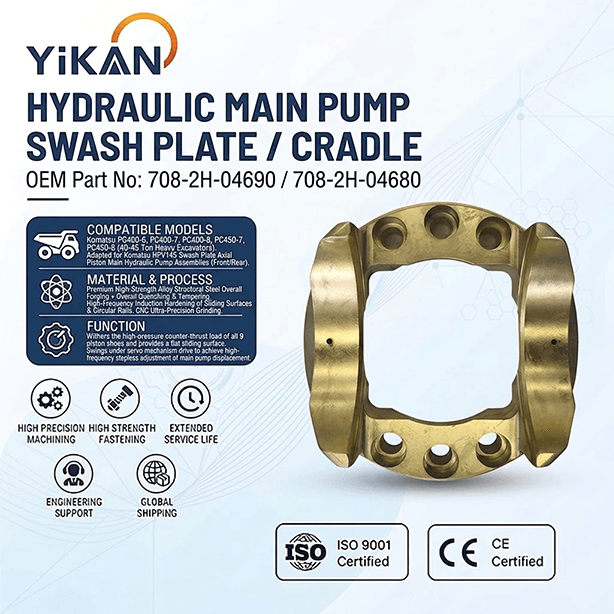
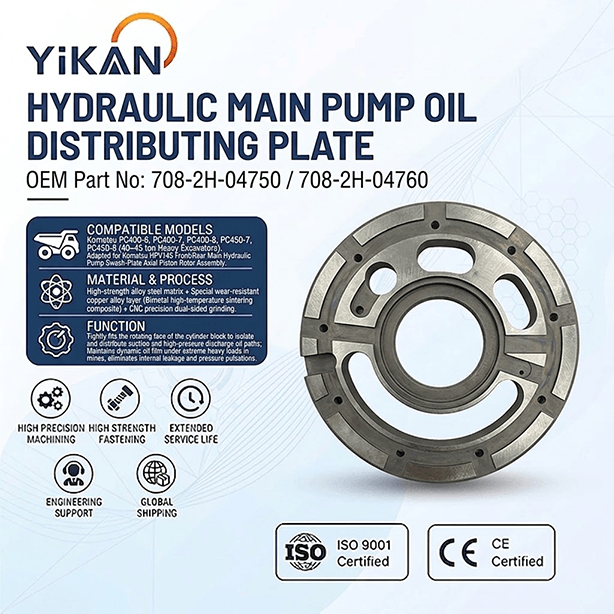
Contamination is known as the “silent killer” in hydraulic systems. Dirty oil, old filters not replaced in time, and metal debris generated by early system failures all become high-hardness abrasive particles. If these metal fragments, oxidized oil, and residual contaminants are not thoroughly removed, they will directly enter the hydraulic pump, scoring the precision distributor plates and damaging piston shoes.
As temperatures rise and oxidation occurs, a sticky varnish film forms inside valve blocks. This oil varnish causes motion to become sluggish, turning once-smooth spool valves into sticky ones. When this happens, even if the valve spool has received an operational command, it may fail to complete the shifting action cleanly, resulting in delayed movements or lagging response from the excavator’s controls.
At excessively high operating temperatures, overly thin oil increases internal leakage, making it difficult for the hydraulic pump to function properly. Conversely, if the oil is too viscous during cold machine start-up, it can cause destructive cavitation in the pump. Additionally, loose suction fittings allow air to enter, creating oil foam that further disrupts fluid continuity.
Seal Degradation and Thermodynamic Vicious Cycle
Sealing elements within the main control valve and hydraulic pump are constantly exposed to high temperatures, leading to material aging—a key factor in declining system efficiency,even the main control valves and hydraulic pumps that are renowned for their quality are no exception,such as PC300-7(pump part number 708-2G-00024),PC400-7(pump part number 708-2H-00450),and PC200-8MO(valve part number 723-46-29100). Early failures inside valve blocks often manifest as seal hardening, weakened springs, and minor leaks at relief valve seats. These changes cannot be directly observed externally, yet the flow pattern of oil inside the valve has already subtly altered. Once seals harden or deteriorate, high-pressure oil begins to leak through the spool, worn valve seats, or damaged seals. This internal leakage results in energy waste, which translates into pressure loss, and subsequently generates additional heat. The extra heat further degrades the operating conditions of the valve block and seals, creating a vicious cycle: “leakage → heat generation → accelerated aging → more severe leakage.”
Operational Limits and System Settings

Beyond physical material degradation, the system’s set parameters and the load conditions imposed on the equipment determine the rate of wear. If the main relief valve pressure setting is too high, frequent overloading against the relief pressure during heavy digging operations turns engine power directly into heat instead of useful mechanical work. Such repeated overloading causes rapid temperature spikes in the system. The hydraulic pump regulator must be precisely matched with the engine, pilot system, and main control valve. If the regulator or power control settings are too aggressive, the machine may initially feel powerful, but this places excessive hidden strain on both the engine and hydraulic system. This overload not only leads to unstable performance during heavy digging but also causes black smoke emissions from the engine, ultimately resulting in premature system failure.
In summary, maintaining and operating an excavator’s hydraulic system cannot rely solely on the superficial logic of “replace when broken.” To reduce frequent downtime and secondary failures, efforts must focus on controlling fluid cleanliness, intervening in seal degradation due to high temperatures, and optimizing pressure valve settings.
How Premium Suppliers Mitigate System Degradation Risks
To break the thermodynamic feedback loop caused by fluid contamination, poor machining, or parameter mismatches, selecting a supplier with rigorous quality control and manufacturing standards is essential. YIKAN KOMSU is a comprehensive industrial and trading enterprise dedicated precisely to this mission. With over 20 years of expertise in hydraulic systems, hydraulic tubing, and engine components, YIKAN KOMSU specializes in research and development, production, and global trade, offering customers an end-to-end hydraulic solution—from component selection and valve block design and manufacturing to tank and piping fabrication and system assembly and testing.
YIKAN KOMSU has established an exceptionally stringent independent quality control system. Its core production processes include not only initial raw material spectral analysis but also high-precision inspection using coordinate measuring machines after CNC machining. Particularly during hydraulic component assembly, the workshop enforces the highest level of cleanliness controls, followed by final functional and durability testing on every product. Thanks to its flexible production lines capable of efficiently handling diverse order volumes, YIKAN KOMSU achieves not only cost optimization and rapid delivery but also full traceability throughout the entire product life cycle. Choosing YIKAN KOMSU means purchasing not just robust components that perfectly match system specifications, but also gaining a complete equipment stability solution grounded in deep technical expertise.
FAQ
Q1: Why must the entire hydraulic system be thoroughly flushed and maintained before installing brand-new hydraulic components?
A: Metal debris, contaminated oil, and residual impurities caused by early system failures can form high-hardness abrasive particles. If the system is not properly flushed and old filters are not replaced, these contaminants will enter the new hydraulic pump directly, scoring the precision valve plates and damaging the piston shoes, causing newly purchased parts to fail prematurely despite their high cost.
Q2: What special considerations should be made in daily maintenance when operating under extreme climates such as freezing cold or high heat?
A: Pay attention to how ambient temperature affects oil viscosity. If the oil is too thick during cold starts, it may cause destructive cavitation in the pump. Conversely, if the operating temperature becomes too high, overly thin oil increases internal leakage, making it difficult for the hydraulic pump to function properly. Therefore, in addition to strictly selecting the correct grade of hydraulic oil, sufficient warm-up time is essential during cold starts to avoid immediately performing heavy-duty operations.
Q3: If a single movement on an excavator occasionally stutters but can still be forced through by slightly increasing throttle, what underlying issue does this indicate?
A: This is often an early sign of gelatinous varnish forming inside the valve block due to oil overheating and oxidation. Such oil varnish causes sluggish motion. If this symptom is ignored, the valve spool may receive operational signals but fail to complete directional shifts smoothly, eventually leading to severe delays in excavator movements or delayed response from control levers.