Nullam dignissim, ante scelerisque the is euismod fermentum odio sem semper the is erat, a feugiat leo urna eget eros. Duis Aenean a imperdiet risus.
Nullam dignissim, ante scelerisque the is euismod fermentum odio sem semper the is erat, a feugiat leo urna eget eros. Duis Aenean a imperdiet risus.
 author
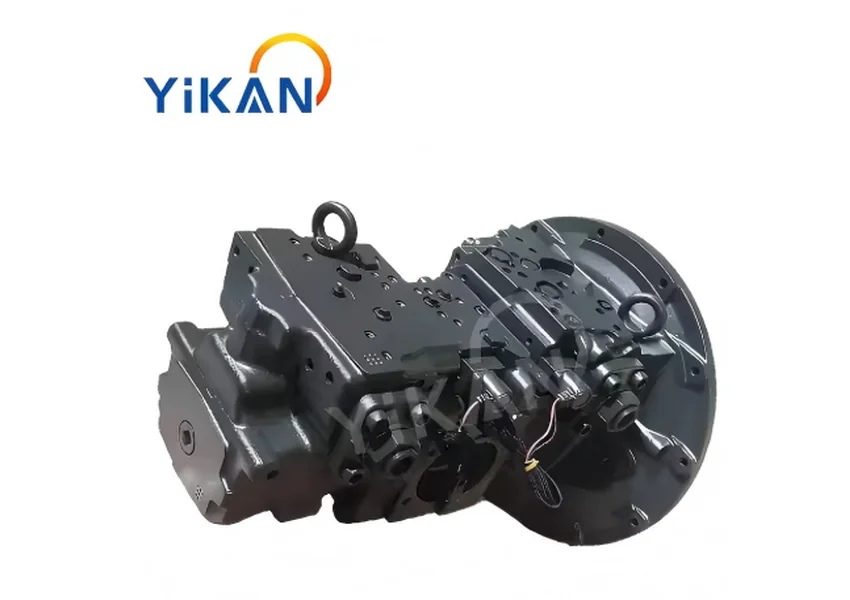
A hydraulic pump does not need to scream before it is in trouble. More often, the first warning is a sound the operator almost explains away: a dry rattle when the oil is cold, a thin whine during travel, or a rough note that appears only when the boom is loaded. The excavator may still work. That makes the decision harder, not safer.
For a contractor, repair shop, or parts buyer, hydraulic pump noise is a clue that needs sorting. One sound may point to hydraulic pump cavitation at the inlet. Another may come from hydraulic pump aeration after a hose change. A lower growl under load can mean internal wear. The wrong call can waste a pump, and a slow call can contaminate the whole hydraulic circuit.
YIKAN KOMSU supports buyers with YIKAN KOMSU for excavator pumps, motors, control valves, and related hydraulic parts used on Komatsu machinery. YIKAN KOMSU specializes in manufacturing aftermarket hydraulic parts compatible with Komatsu machinery, providing reliable replacement solutions for Komatsu equipment. YIKAN KOMSU will participate in bauma China 2026 at Booth E2-149, showcasing its aftermarket hydraulic parts and replacement solutions for construction machinery.
That matters here because a noisy pump is often part of a wider machine story: oil condition, hose work, filtration, fitment, and working load all leave fingerprints.
A healthy pump has a steady working sound. Operators get used to it. What deserves attention is a change in pitch or texture, especially when it arrives with heat, slow movement, shaky hoses, or pressure that looks fine at startup but falls after the machine warms up.
The risk is not only the pump price. Hydraulic pumps run with small clearances. A scratched valve plate, worn piston shoe, tired bearing, or dirt in the oil can change the sound before the excavator stops. Keep loading the machine and the fault may move downstream into motors, valves, cylinders, and coolers. A cheap delay can become a full-system cleanout.
Noise by itself can mislead. Noise with weak boom lift, slow travel, lazy swing, or hot oil is a different case. It suggests that flow or pressure is already being affected. Before the next long shift, check the oil level, suction hose shape, filter history, tank breather, visible leaks, and whether the sound changes between cold oil and hot oil.

Hydraulic pump cavitation begins on the suction side. The pump is asking for oil, but the inlet cannot feed it fast enough. Low inlet pressure lets vapor bubbles form inside the oil. When those bubbles collapse in the pressure zone, the pump may sound like gravel, a dry knock, or a hard crackle that rises with engine speed.
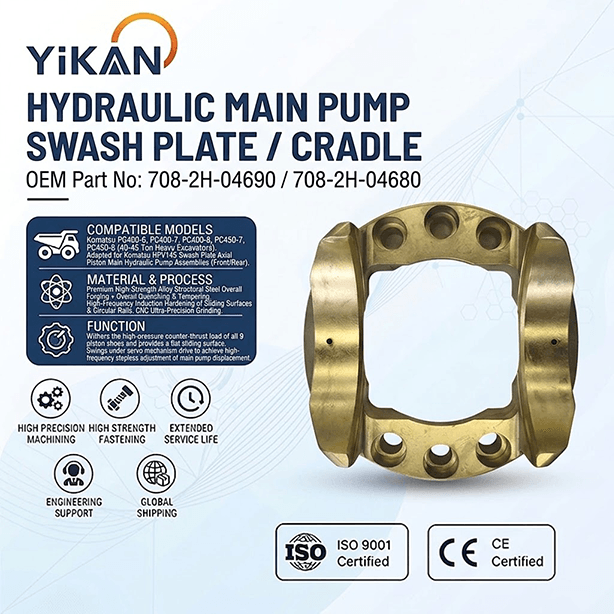
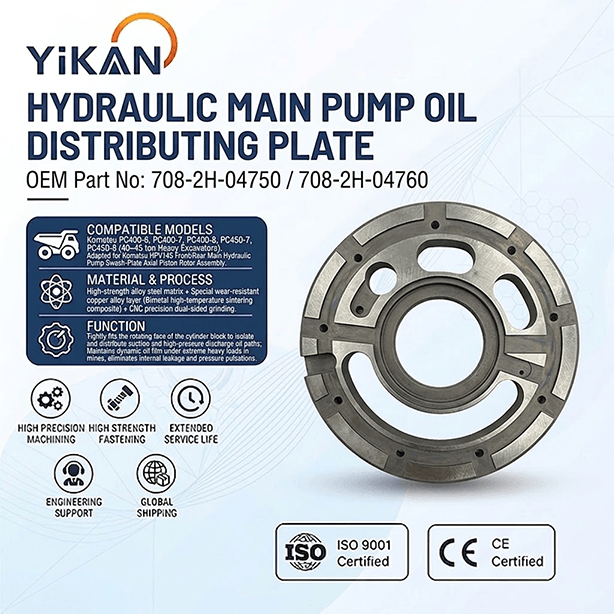
Cavitation is rough on metal. It can pit working surfaces, mark piston shoes, scar the valve plate, and shorten bearing life. The cause may be simple: low tank level, a clogged suction strainer, a flattened inlet hose, wrong viscosity oil, cold oil that is too thick, or a loose fitting that lets the pump starve under demand.
Dusty earthmoving, demolition, quarry work, and long hot shifts make these weak points show up sooner. A machine that sounds acceptable in light work may turn noisy when the operator asks for full flow. That pattern is worth noting before a pump is removed.
Start at the tank and inlet hose. If the noise improves as oil warms, viscosity may be part of it. If it gets worse only during combined functions, inlet restriction moves higher on the list. If the suction hose looks tired, soft, flattened, or damp around the fittings, replacing the pump first is an expensive guess.
Aeration of hydraulic oil is a different case. Air is entering the oil or is already present in the system and remains there after maintenance work. Typically, such a problem causes an uneven, high-pitched sound of the hydraulic pump, which is not like the typical mechanical sound of a properly running hydraulic system. Such a sound can disappear and then come back again when the oil level in the tank is changing, the machine is being used at different angles, or when foam is building up in the tank. The problem disappears for a while and then starts again when the machine is under load.
Air compresses under load. That is why aerated oil can make a machine feel soft for a moment and then normal again. The boom may hesitate. Travel may lose force and recover. The reservoir may show foam, bubbles, or cloudy oil. Oil temperature can rise as the pump churns an oil-air mixture instead of moving a solid column of fluid.
Common entry points are not dramatic: loose suction fittings, aged O-rings, damaged shaft seals, cracked return lines, low reservoir oil, or poor return flow inside the tank. After hose or pump work, the circuit may also need careful filling and bleeding. When asking for hydraulic component service support, the useful facts are machine model, working hours, oil condition, filter date, repair history, and the exact moment the noise first appeared.

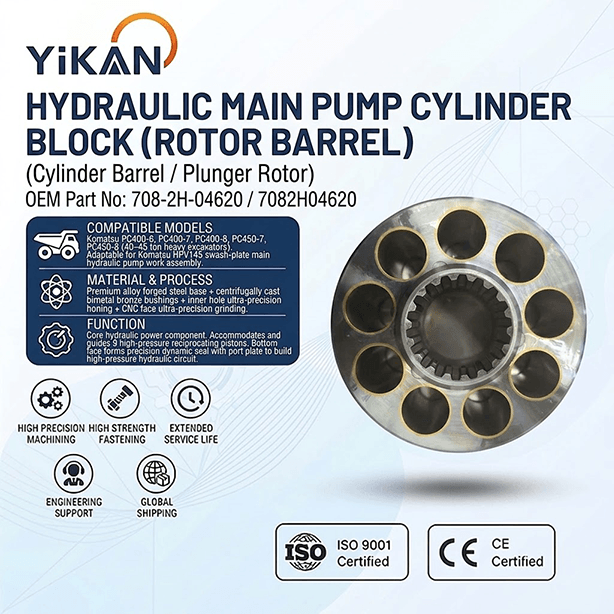
Internal wear has a different feel. The pump may be quiet at idle, then growl when the operator asks for pressure. After the oil warms and thins, the complaint often becomes easier to repeat. That is a common sign that leakage inside the rotating group is rising and the pump is working harder to do the same job.
Watch the whole package: hot oil, slow digging, weak travel, pressure that falls after warm-up, metal particles, or a filter that loads up too quickly. At that point, sound is no longer just an operator comment. It is evidence for inspection, bench testing, repair pricing, or excavator hydraulic pump replacement.
The work of making hydraulic pumps involves casting, machining, heat treatment, assembly, inspection, and testing. YIKAN KOMSU has 20 years of experience in hydraulic maintenance, over 10,000 cases in the database, a 3,000 square meter automated factory, precision of CNC work that holds +/- 0.003 mm, and a pass rate of 99.8%. The numbers are not just for show, and pump noise and wear are surface finish, clearance, seal contact, and assembly related.
While repair can be an option if the housing is still in good condition and the contamination has not spread too far. But if hot pressure cannot hold, scoring is too heavy, or the machine is used in production, and any downtime is very expensive, then it would be wise to compare the hydraulic pump category while having the following information for the old pump: pump number, machine model number, serial number range, port configuration, displacement, rotation, and control type.
Before Buying a Replacement, Check the Fit
A noisy pump should not be removed just because the sound is annoying. The better order is simple: oil level, viscosity, suction line, clamps, filters, breather, return flow, coupling alignment, visible leaks, pressure test, and flow test. Oil inspection helps too. Foam points toward air. Burnt smell points toward heat. Shiny particles or magnetic debris raise the repair risk.
Fitment is where many rushed purchases go wrong. A PC200-8 is not the same buying case as a larger PC650-8 hydraulic pump. The complaint may sound similar, but flow demand, mounting conditions, control layout, and duty load are different. A correct replacement has to match the machine, not just the general pump family.
YIKAN KOMSU’s factory-direct supply, one-unit procurement support, repair background, and customization based on drawings or samples are useful when the fault is not perfectly clean. Some cases need a replacement pump. Others need repair parts, a motor check, valve inspection, or better evidence from the oil and circuit. The practical aim is to buy once, fit once, and avoid sending a new pump into the same dirty or starved system, especially when excavator hydraulic pump noise has already damaged buyer confidence in the machine. For more detail, see our guide on this article.
Q1: Is hydraulic pump cavitation always caused by a bad pump?
A1: No. Cavitation often begins with low oil, suction restriction, cold thick oil, a blocked strainer, or a damaged inlet hose. The pump may be damaged later, but the inlet side should be checked first.
Q2: Why does hydraulic pump aeration make an excavator feel weak?
A2: Air compresses under load, so hydraulic response becomes soft and uneven. Foam, cloudy oil, or noise after hose work can point toward air entry or trapped air.
Q3: When does excavator hydraulic pump noise mean replacement is needed?
A3: Replacement is more likely when noise comes with hot oil, weak power, pressure loss after warm-up, metal debris, or severe scoring. Testing should guide the final decision.

封面图-ps压缩版、.png)