Nullam dignissim, ante scelerisque the is euismod fermentum odio sem semper the is erat, a feugiat leo urna eget eros. Duis Aenean a imperdiet risus.
Nullam dignissim, ante scelerisque the is euismod fermentum odio sem semper the is erat, a feugiat leo urna eget eros. Duis Aenean a imperdiet risus.
 author
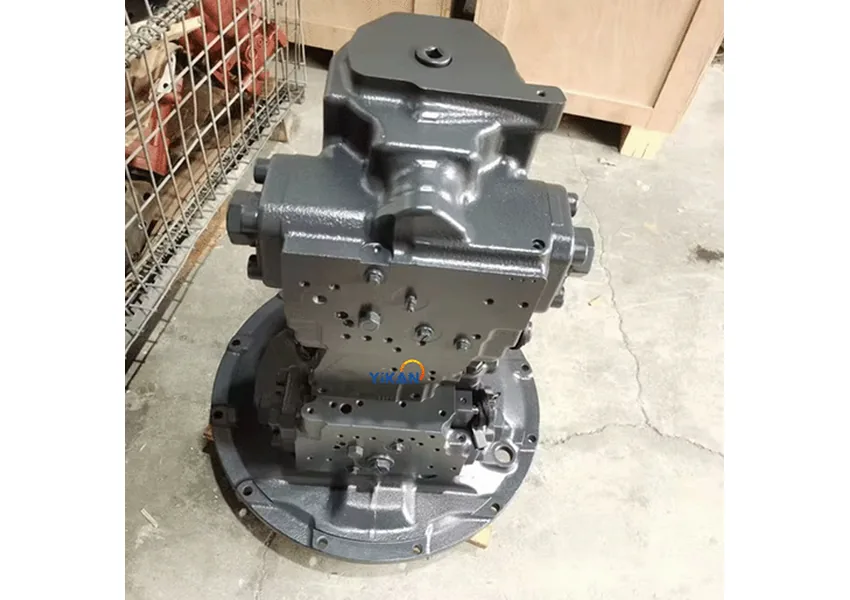
Many causes of a slow excavator are blamed on the pump. Often with bad results, because a weak pump is an easy diagnosis to make, but costly to fix. In many cases, the excavator does have enough pressure but not enough flow. At light loads it may have normal flow, but as soon as the bucket engages with soil, the pressure drops dramatically. In such cases the pump is only part of the problem, and other causes of slow excavator hydraulics need to be considered, such as oil temperature, pilot control, relief settings, hose restrictions, and internal leakage. Hydraulic pressure vs. flow is another way to say force vs. speed. Pressure measures how much force the system is able to exert, and flow measures how fast oil is traveling through the system’s circuits. When diagnosing slow excavator hydraulics, these two variables need to be separated before spending money on a new pump.
Pressure is resistance to work. Therefore, when an excavator’s boom is lifting a large amount of weight, the pressure in the hydraulic system increases. Likewise, pressure will increase when the arm is digging into very hard soil and also when traveling up a hill with the travel motors under load. Relief valves that open too early, weak pumps with internal leakage, and control valves that are unable to hold a load all cause an excavator to perform poorly even when the engine appears to be operating normally and producing the correct amount of horsepower. That is why a pressure reading alone does not tell the full truth. A hydraulic pump flow test is often needed when the complaint is slow cycle time rather than pure loss of force.
The clean field question is simple: Does the machine lack force, speed, or both? If the bucket cannot break out, pressure should be checked first. If the boom lifts but takes too long, flow deserves attention. If both are poor, the fault may lie in pump wear, suction restriction, hot thin oil, a relief valve, pilot signal trouble, or more than one circuit problem.
An excavator hydraulic pressure problem usually shows up under load. The machine may move normally in the yard, then struggle once the bucket is full. The boom lift becomes weak. Arm-in lacks bite. Travel stalls on a ramp. The operator may raise engine speed, but the response does not improve much. That pattern is different from a simple slow-cycle complaint.
Pressure faults can come from a worn pump, a main relief valve set too low, a leaking control valve, cylinder bypass, weak pilot pressure, or oil that gets too hot to hold sealing clearance. A quick gauge check helps, but it should be done on the correct test port and under the right function. Random pressure readings often create more confusion.
A pump may look acceptable at idle and still fail under work. Buyers should ask for readings when the complaint appears: cold, hot, single function, combined function, travel, swing, or boom lift. If pressure drops only after warm-up, internal leakage becomes more likely. If one function is weak while others stay normal, the fault may sit outside the main pump.

Flow problems feel different. The excavator may have enough digging force, but the work cycle drags. Boom up, arm out, bucket curl, swing, and travel may all feel slower than expected. In combined operation, the delay becomes more obvious. This is where hydraulic pressure vs flow diagnosis saves time, because high pressure does not always mean enough oil is moving.
Low flow can come from pump displacement control, suction restriction, clogged filters, worn rotating parts, wrong oil viscosity, poor engine speed, or a flow-sharing problem in the main valve. A weak pilot signal can also keep the pump from stroking properly. The result is a machine that moves but never quite keeps pace with the work.
A proper hydraulic pump flow test compares flow, pressure, oil temperature, and engine speed together. Testing a cold machine for five minutes may miss a fault that appears after one hour of trenching. When possible, record the working condition that makes the excavator slow, then test close to that condition. Flow at no load is useful, but flow under load is usually more honest.
A careful excavator hydraulic system diagnosis does not begin with a new pump quote. It starts with oil level, oil condition, filter history, suction hose condition, breather condition, leakage points, and engine speed. After that, pressure and flow tests can be compared against the machine model and pump type. The order matters because a restricted inlet or dirty oil can damage a replacement pump as quickly as the old one.
For purchasing teams, the most useful report is not a long list of numbers. It should state what was tested, at what temperature, under which function, and whether the problem was pressure, flow, or both. It should also mention metal particles, overheating, foaming, hose collapse, abnormal noise, and whether the pump control responds to pilot demand. That is what makes excavator hydraulic system diagnosis useful before repair money is committed.
Before removing the pump, confirm these points: oil level and viscosity, suction restriction, filter condition, pilot pressure, main relief setting, pump case drain flow, circuit leakage, and function-specific pressure. If the pump was replaced recently, check port layout, rotation, spline engagement, control type, and cleanliness during installation. Small fitment mistakes can look like a large pump failure.

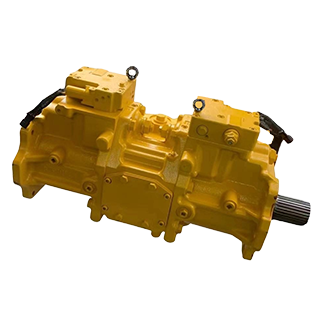
Replacement makes sense when testing shows poor pressure retention, low flow under load, heavy case drain, metal debris, severe scoring, or repeated failure after repair. For model matching, buyers can start from the hydraulic pump category and then confirm machine model, serial range, part number, displacement, rotation, port layout, and control type.
A 30-to-35-ton quarry or earthmoving machine needs a different pump decision than a smaller utility excavator. For example, the PC350-8M0 is built around heavy excavator duty, while the PC200-8 replacement needs it. Similar symptoms do not mean the same pump, same flow demand, or same downtime risk. The PC200-8 is widely used in construction fleets for trenching, roadwork, foundations, demolition, quarry support, and general multi-attachment earthmoving. Depending on the regional PC200-8 or PC200-8M0 specification, reference engine output is approximately 103–110 kW / 138–148 HP, with operating weights around 19.8–21.25 tonnes and bucket capacities of about 0.50–1.20 m³. KOMSU replacement main pumps are designed to supply hydraulic power to the boom, arm, bucket, swing, travel, and auxiliary circuits, but the exact M0/dash designation should always be checked before selecting the pump.
YIKAN KOMSU has more than 20 years of hydraulic maintenance experience, a 10,000-plus case database, a 3,000-square-meter automated factory, and CNC machining precision around +/-0.003 mm. The company works across pumps, motors, control valves, repair, remanufacturing, sample processing, and small-batch customization. YIKAN KOMSU manufactures China-made replacement hydraulic components for Komatsu machinery, offering cost-effective alternatives to original Komatsu parts. By the way, visit YIKAN KOMSU at bauma China 2026, Booth E2-149, and explore our hydraulic pumps, motors, control valves, and replacement parts for construction equipment. For buyers who need a factory-direct source, compatible hydraulic components can be discussed with model details, test results, and old part information rather than a vague slow-machine complaint. If you would like to learn more, please read this article.
Q1: Can an excavator have good pressure but low flow?
A1: Yes. The machine may still lift a load but move slowly. That usually points toward pump displacement, suction restriction, oil temperature, engine speed, or control signal problems.
Q2: What test helps separate pressure and flow problems?
A2: A pressure gauge and hydraulic pump flow test should be used together. Flow, pressure, oil temperature, and engine speed need to be recorded under the working condition that causes the complaint.
Q3: When should a slow excavator hydraulics problem lead to pump replacement?
A3: Replacement is more likely when low flow or weak pressure continues after basic checks, and inspection shows heavy case drain, metal debris, hot oil, internal scoring, or repeated pump failure.
封面图-ps压缩版、.png)