Nullam dignissim, ante scelerisque the is euismod fermentum odio sem semper the is erat, a feugiat leo urna eget eros. Duis Aenean a imperdiet risus.
Nullam dignissim, ante scelerisque the is euismod fermentum odio sem semper the is erat, a feugiat leo urna eget eros. Duis Aenean a imperdiet risus.
 author
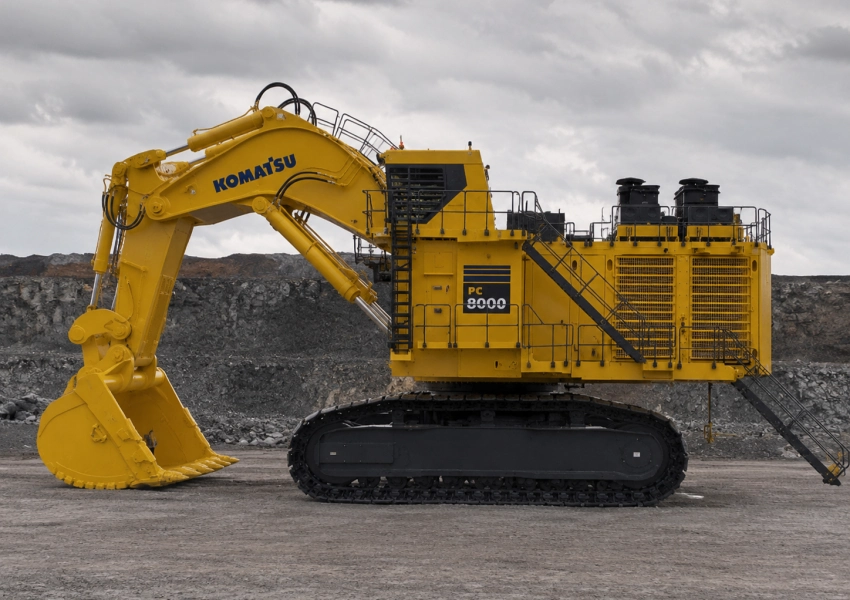
An excavator rarely loses function all at once when the main control valve starts to fail. One side gets lazy. The joystick response feels late. A bucket hesitates, then catches up. By the time the operator starts compensating for the delay, the fault is already costing time. That is why excavator main control valve symptoms deserve attention before the machine turns into a guess-and-check job.
A hydraulic control valve failure can look a lot like a pump issue at first. That is the trap. A weak boom, a slow swing, or a drifting arm can send buyers toward the pump, the hoses, or the cylinders. But an excavator valve block problem often shows up in a more uneven way. One circuit lags, one spool hangs, or the machine feels fine cold and stubborn when hot. The pattern matters more than the first impression.
For parts buyers and repair shops, main control valve troubleshooting means finding where the oil stops moving cleanly before ordering the part.
The first symptom is often excavator joystick delay. The operator moves the lever, and the pilot signal arrives, but the function does not answer right away. A small delay may seem harmless in the yard. Under load, though, it spreads through the whole cycle. The boom feels late, the bucket finishes weakly, and the machine stops feeling crisp.
Another common sign is a single section acting out while the rest of the machine still behaves. If swing is slow but travel is normal, or the bucket is soft while the boom still lifts, the valve block should move higher on the list. That kind of split behavior is one of the clearer excavator main control valve symptoms because the fault is local, not global.
Joystick delay is usually a signal problem, a spool problem, or both. If pilot pressure is late, the control signal reaches the valve too softly or too slowly. If pilot pressure looks normal but the spool does not shift cleanly, the control valve itself deserves attention. In both cases, the machine is telling on itself. The response is delayed before the power loss becomes obvious.
A machine with one weak circuit and three healthy ones is often a better valve case than a pump case. That is why excavator valve block problem checks should start by isolating the bad function. A bad main pump usually changes more than one movement at the same time. A valve section can misbehave on only one path and still leave the other sections looking normal.
Inside the valve block, the usual trouble is not dramatic. Dirt scratches the spool. Oil varnish makes movement sticky. A spring weakens. A seal hardens. A relief seat starts to leak. None of that looks exciting from the outside, but it changes how the oil moves through the valve. The result can be uneven movement, weak holding force, heat, or a function that drifts after the operator lets go.
Contamination is the quiet one. Dirty oil, a tired filter, and metal from an earlier failure can all turn a good spool into a sticky one. Once that happens, hydraulic control valve failure starts to look like poor signal response, but the root cause is mechanical. The valve may be getting the command and still not moving the way it should.
A sticky spool often shows up in warm oil first. The machine may work acceptably at startup, then begin to drag after the oil heats up and thins out. That is a useful clue because it separates a cold-start issue from a wear issue. If the function gets worse after thirty minutes, the bore, spool finish, or contamination path needs a closer look.
Internal leakage is easy to miss because the machine still moves. It just moves with less force and more heat. Oil sneaks across the spool, through a worn seat, or past a damaged seal instead of staying in the working path. That waste becomes pressure loss. Pressure loss becomes heat. Heat then makes the valve work even worse. At that point, excavator main control valve symptoms stop looking subtle.
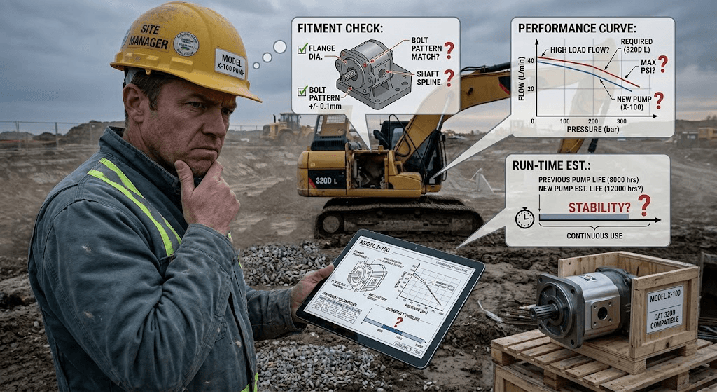
Main control valve troubleshooting should start with pressure and signal checks, not with a full teardown. Measure pilot pressure at the joystick circuit. Check main system pressure. Compare the suspect section with a healthy one. If the machine has load-sensing control, confirm the signal line is actually reaching the valve block. A valve that is blamed before the circuit is measured can waste a lot of money.
The checks should also follow the symptom. If the complaint is excavator joystick delay, the pilot’s side needs attention first. If the complaint is weak lifting or slow swing under load, pressure and flow through the section become more important. If the problem changes with temperature, look for a spool or leakage issue. That sequence keeps the diagnosis honest.

Pressure checks are more useful when they are compared section by section. A main control valve can pass enough oil to make the machine move, yet still leak enough internally to ruin real work. Signal checks matter too. If the joystick command is not reaching the valve with the right pressure or timing, the valve will not shift fully. The result feels like a bad valve even when the pilot line is the first weak point.
For buyers comparing a weak machine against the parts shelf, it helps to keep the whole hydraulic path in view. The hydraulic pump category shows the supply side of the system, while the main control valve gives the valve side that actually distributes flow to the boom, arm, bucket, swing, and travel functions.
A valve complaint should still be checked against pump output, filter restriction, and oil condition. The line between the pump and the valve block is where many false diagnoses begin. If the supply is weak, the valve only gets blamed because it sits closer to the symptom. That is why a quick look at the YIKAN KOMSU and the PC350-8M0 pump or PC650-8 pump pages can help frame the broader hydraulic system before parts are ordered.
YIKAN KOMSU produces domestically manufactured versions of hydraulic components for Komatsu machinery, offering dependable alternatives for equipment maintenance and repair. The 708-2L-00710 / 708-2L-00731 hydraulic main pump is suitable for Komatsu excavators, including PC650-8, PC600-6, PC600-7, PC600-8, PC700-7, PC750-7, and PC800-7. It is a heavy-duty piston pump used to power major excavator hydraulic functions in construction, mining, quarrying, and other demanding applications. Related part numbers include 708-2L-01632, 708-2L-00770, 708-25-04081, 708-25-01031, 708-25-01030, and 708-25-5020. The 708-2G-01070 / 708-2G-00700 main hydraulic pump is designed for Komatsu-compatible excavators such as the PC350-8M0, PC350-8, PC350-7, PC360-7, PC300-7, and PC300-8. It supplies hydraulic power to boom, arm, bucket, swing, and travel functions for construction, quarrying, mining, and other heavy-duty applications. Related part numbers include 708-2G-00024, 708-2G-11620, 708-2G-12220, 708-2G-32170, and 708-2G-03510.
A repair can make sense when the spool, seals, or springs are the only real problems. Remanufacturing becomes more attractive when the block is still sound but the valve needs careful rework, cleaning, and bench testing. Replacement is the safer route when the housing is cracked, the bore is scored, or the machine keeps returning with the same fault after a short fix. That is the point where a lower invoice can become the more expensive choice.
YIKAN KOMSU fits into this decision late, not early. The company has more than 20 years of hydraulic maintenance experience, a case base of over 10,000 examples, a 3,000-square-meter automated factory, CNC machining precision around +/-0.003 mm, and a 99.8% pass rate in its own quality flow. It designs and produces hydraulic pumps, fan pumps, working pumps, rotary pumps, and control valves used in excavators, loaders, bulldozers, and mine cars. YIKAN KOMSU will showcase its capabilities as an aftermarket hydraulic parts supplier at Bauma China 2026, Booth E2-149, offering replacement solutions for excavators and heavy equipment.
That matters because valve work is not only about parts. It also depends on valve block design and manufacturing, system assembly testing, sample handling, and small-batch support. YIKAN KOMSU’s hydraulic system integration work covers schematic design, component selection, valve block design and manufacturing, tank and piping manufacturing, and system assembly testing. For buyers who need more than a catalog answer, the service page is the natural place to discuss matching, testing, and after-sales guidance. For more detail, see our guide on this article.
Q1: Does excavator joystick delay always mean the main control valve is bad?
A1: No. Pilot pressure, joystick signal response, and line restriction can create the same delay. The valve should be checked, but the pilot circuit should not be skipped.
Q2: What is the clearest hydraulic control valve failure symptom?
A2: A clear sign is one function acting slower or weaker than the others, especially when the problem gets worse with heat or load. That often points to spool wear, sticking, or internal leakage.
Q3: When should the valve block be replaced instead of repaired?
A3: Replacement is usually safer when the block is cracked, the spool bore is deeply scored, or the same fault keeps returning after cleaning, seals, and adjustment.
封面图-ps压缩版、.png)