Nullam dignissim, ante scelerisque the is euismod fermentum odio sem semper the is erat, a feugiat leo urna eget eros. Duis Aenean a imperdiet risus.
Nullam dignissim, ante scelerisque the is euismod fermentum odio sem semper the is erat, a feugiat leo urna eget eros. Duis Aenean a imperdiet risus.
 author
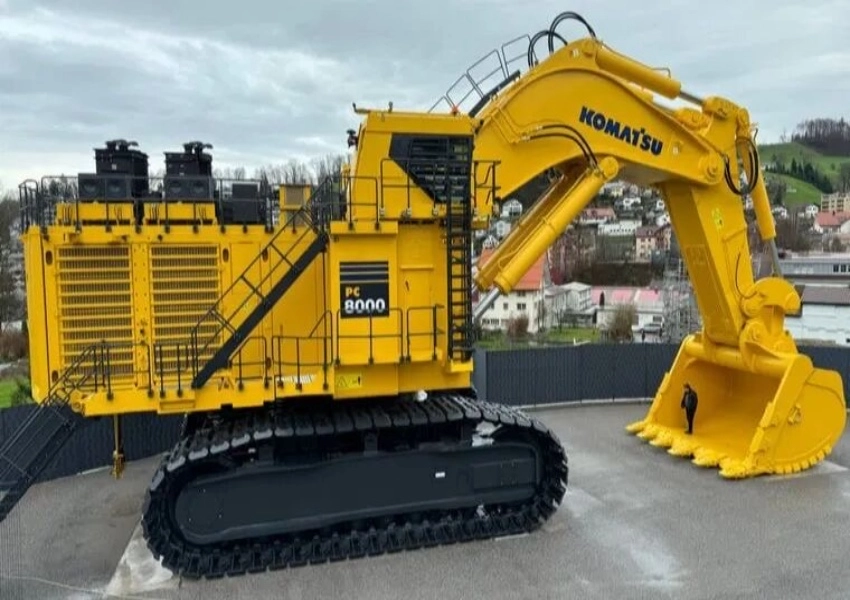
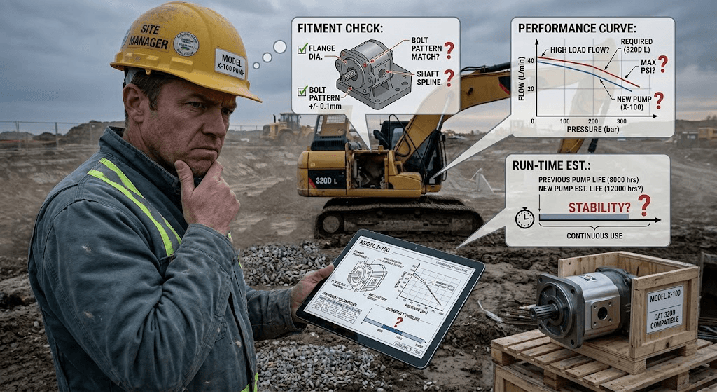
A fresh pump should not make an excavator run hotter than before. Yet many repair shops see the same trouble after replacement: the machine starts normally, the boom and bucket feel strong for a while, and then the oil temperature climbs. By the second or third working hour, the operator reports slower cycles, pump noise, weak travel, or a warning on the panel. Hydraulic pump overheating at this stage is often a sign that the new unit is fighting the rest of the system.
The uncomfortable part is that the failed part may look obvious only after money has already been spent. A new hydraulic pump gets hot when flow is wasted, pressure is set too high, oil cannot return and cool properly, or the pump control is not matched to the machine. For buyers, the job is to separate a bad replacement from dirty oil, poor adjustment, or a circuit fault missed before ordering.
Some heat is normal. Excavators convert engine power into hydraulic flow, and oil temperature rises as the machine works. The warning sign is a change after replacement: excavator hydraulic oil overheating appears faster than it did with the old pump, the cooler fan runs constantly, performance drops after warm-up, or the pump case becomes too hot compared with the tank and return line.
Timing tells a lot. If the pump overheats within minutes, check the oil level, suction restriction, rotation direction, wrong hose connection, or a blocked case drain. If excavator hydraulic oil overheating appears only after heavy digging, the machine may be holding relief pressure too often, the pump displacement may be too high, or the regulator may not be set to the engine and valve group. A machine that heats only during swing, travel, or attachment work points to a localized circuit problem.
Do not judge by touch alone. Record tank temperature, pump case temperature, inlet temperature, cooler outlet temperature, pressure readings, and engine speed. A simple temperature gun and a pressure gauge can save a repair team from replacing another expensive part too soon.
The most common hydraulic system overheating causes after replacement are not dramatic. They are small mismatches that create constant heat. A relief valve left too high makes the pump push against pressure it should not see. A load-sensing or regulator setting that is off can keep the pump delivering more flow than the machine needs. A blocked return filter or cooler sends heat back into the tank instead of shedding it.
Relief pressure is a usual suspect. When a new pump restores flow, weak valves and incorrect settings that were hidden by the old worn pump suddenly show up. If the main relief opens too often, engine power turns into heat instead of useful movement. The operator may feel strong breakout force and then slow operation as oil thins and leakage increases.
Wrong displacement creates a similar problem. A pump with the right mounting face but the wrong flow range can overwhelm the valve group. The control valve may dump oil across relief, and the cooler may not keep up. This is why a replacement should be matched by machine model, old pump part number, nameplate data, port layout, rotation, and control type, not only by photos.
Excavator pump adjustment is where many otherwise good repairs go wrong. A piston pump normally needs the correct regulator response, standby pressure, maximum pressure, and horsepower control. If the setting is too aggressive, the machine may feel powerful at first but load the engine and oil system too hard. If it is too low, cycle time stretches out, and oil still heats from repeated inefficient operation.
Regulator behavior should match the excavator’s engine, pilot system, and main control valve. When the pump does not destroke correctly, it keeps producing flow even when demand is low. When horsepower control is wrong, the pump may pull more power than the engine can supply. Heat then comes with black smoke, engine lugging, or unstable operation under heavy digging.
Case drain flow also matters. A new hydraulic pump with an excessive case drain may have internal leakage or damage from contamination. A normal pump with a blocked case drain line can overheat and fail very quickly. Before blaming the supplier, check whether the case drain line is open, routed correctly, and free from crushed hose sections.

A replacement pump goes into a system that may still contain the old failure. Metal particles, degraded seals, overheated oil, and dirty hoses can move straight into the new unit. If the tank was not cleaned, the filters were not changed, and the cooler was not flushed, the repair is only half finished. Contamination can score valve plates, damage piston shoes, and raise internal leakage. Once leakage starts, hydraulic pump overheating follows.
Oil viscosity is another quiet cause. Oil that is too thin at operating temperature leaks internally and makes the pump work harder. Oil that is too thick during a cold start can starve the inlet side and cause cavitation. Air from a loose suction connection may foam the oil and create a whining sound. These hydraulic system overheating causes are easy to miss because the new pump becomes the obvious suspect.
Also monitor the cooling side of the pump. A dirty cooler core, weak fan drive, faulty thermostat, blocked return, restricted flow due to a blocked filter, etc. will cause even the correctly running pump to overheat. Most heavy machines run with a hydraulic fan motor or a fan pump assembly while digging or loading for extended periods of time. Thus, if after the pump is replaced, the fan runs slowly, the oil temperature will increase even with correct pump adjustment.
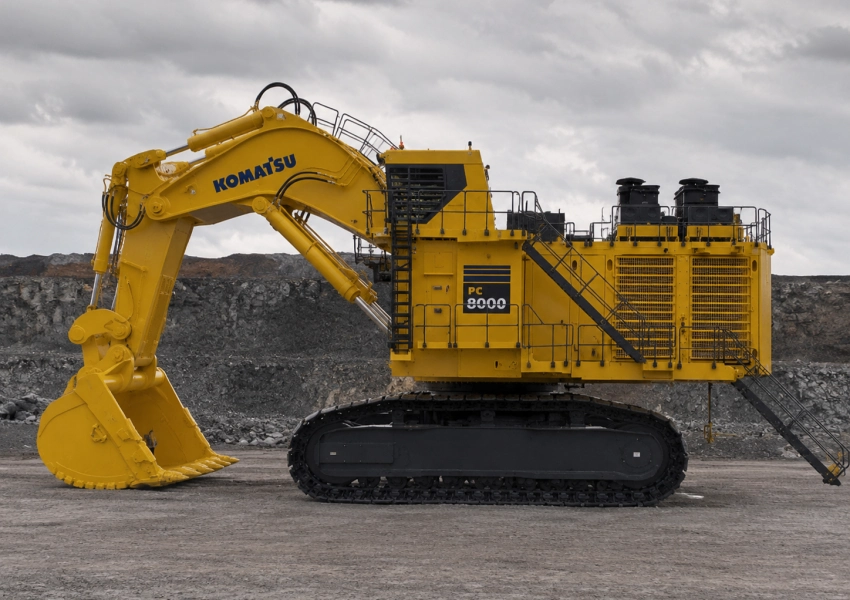
For mid-size excavators, such as the 20–30 ton class, the PC200-8 hydraulic pump 708-2L-00490 uses, in PC200-8, PC200LC-8, and PC220-8 machines, references to the parts 708-2L-00500, 708-2L-00400, and 708-2L-00800 can be checked in the hydraulic pump for fitment only. Here a bigger mode, the 30–35 ton PC350-8m0 main pump 708-2G-00700 for heavy digging and quarrying and the 65-ton class mining machines PC650-8 main hydraulic pump 708-2L-00731, are introduced to demonstrate that the hydraulic pump is to be treated as a fitment check only. To order the correct replacement pump, the model number of the machine, serial number, photos of the old pump plate, shaft, and port, and control type and symptoms are required. Komatsu models also include PC200-6, PC220-7, PC120-6, PC400-7, PC500LC-10M0, PC200-7, PC300-7, PC8000, etc.
Guangzhou Yiyan Machinery Equipment Co., LTD, operating as YIKAN KOMSU, has more than 20 years of experience in hydraulic maintenance and construction machinery parts, with more than 10,000 cases in its experience database; a 3,000 square meter large automated factory with CNC machining precision up to +/-0.003 mm; a 99.8% pass rate in its own quality system; and supports factory-direct procurement from one unit, small-batch customization, sample processing, and online after-sales after-service support. YIKAN KOMSU provides Komatsu-compatible hydraulic parts designed for excavators and construction machinery, covering replacement needs for various Komatsu models. At bauma China 2026, YIKAN KOMSU will present its latest aftermarket hydraulic solutions at Booth E2-149, connecting with global construction machinery professionals and industry partners.
For overheating repairs, those capabilities should turn into practical questions. Can the pump be checked against the old part number? Are pressure and flow expectations clear before shipment? Is the unit 100% new, and what warranty applies? Many YIKAN KOMSU pumps have wooden-case packing, six-month warranty terms, and inspection steps for cylinder blocks, pistons, and valve plates. For drawings, special machining, or non-standard replacement issues, hydraulic component processing support can support deeper compatibility checks before a repeat failure.
A new pump that runs hot is a warning, not a mystery. The cause may sit in adjustment, oil condition, return flow, fan cooling, contamination, or a wrong pump match. A careful check with YIKAN KOMSU hydraulic parts and the machine’s real working data gives the repair team a better chance of fixing the problem once, without turning the second pump into another casualty. Continue reading our another guide.
Q1: Why does a new hydraulic pump get hot faster than the old one?
A1: A new hydraulic pump gets hot when restored flow exposes old valve, relief, cooler, or oil problems. It may also be incorrectly adjusted or mismatched to the machine’s control system.
Q2: Which excavator pump adjustment should be checked first?
A2: Start with standby pressure, main relief pressure, regulator response, horsepower control, and case drain flow. These checks show whether the pump is working against the circuit instead of responding to demand.
Q3: What information helps confirm the right replacement pump?
A3: Provide the excavator model, serial number, old pump part number, nameplate photos, port and shaft photos, working symptoms, oil temperature readings, and any pressure or flow test results.
封面图-ps压缩版、.png)